

Author:
Revised:
January 19th, 2024
Isn’t it Murphy’s law that says what can go wrong, will go wrong? When it comes to your HVAC system, this can feel like the case, especially if your furnace won’t turn on during winter.
As someone who’s worked in service for over 15 years, I’ve helped countless customers address issues with their heating systems. And now I’m here to help you figure out how much it’ll take to repair your furnace.
In this article, we’ll go over the cost of common furnace repairs. We’ll also go over some of the possible causes behind these issues and when you should get a second opinion.
By the end of this article, you’ll have a better idea of how much your repair should cost and how to limit future repairs.
What Affects the Cost of a Repair?
We’ll break down the costs of repairing your furnace in the next section. But first, let’s talk about a few of the factors that can affect those costs.
With the exception of a few labor-intensive repairs, the cost of a repair will usually depend on the cost of the replacement part. This can vary depending on the brand and the complexity of the part.
Glossary of Furnace Parts & Common Issues
Each part of your furnace plays an important role in heating your home. To learn more about the role each of the parts mentioned above plays, check out the glossary below.
Blower Motor
Your furnace’s blower motor controls airflow throughout your home all year long. Your cooling system also relies on the blower motor to keep you cool during warmer months.
Burners
Your furnace’s burners channel the open flames that provide heat for your home.
While you may need replacement burners at some point in your furnace’s lifetime, this isn’t always the case.
Soot can clog your burners and prevent them from lighting. In these instances, your HVAC technician may only need to clean your burners to get your furnace back on its feet.
Circuit Board
A circuit board acts as your furnace’s brain. When your thermostat signals for heat, the circuit board initiates the heating cycle.
When circuit boards fail, it’s generally due to moisture. If your furnace is located in a part of your home that receives a lot of moisture, adding a dehumidifier can help protect your circuit board.
Draft Inducer Motor
Like your blower motor, the draft inducer is a motor that controls airflow. But the draft inducer focuses on airflow within your furnace.
Your furnace’s draft inducer motor plays two roles:
- The draft inducer pulls in air for combustion
- The draft inducer helps exhaust combustion byproducts, including waste gases like carbon monoxide
Furnace Filter
Your furnace’s filter removes dust and other debris from the air that circulates throughout your home. This ensures that the air that you breathe is cleaner. There are a variety of filters that remove different levels of particulates from the air.
But as your filter removes these particulates from the air, it limits more airflow throughout your HVAC system. This is why you must change your furnace’s filter.
This is one part of furnace maintenance that you can take care of yourself, especially if your filter needs to be changed frequently.
In general, you should change your filter as often as the manufacturer recommends (you should be able to find this recommendation on your filter’s packaging). Some filters need to be replaced every month. Others only need to be replaced once a year.
But if it feels like air isn’t circulating throughout your home, check your filter. It may need to be replaced.
For more information on changing your filter, check out this article that breaks down how, when and why you should change your furnace’s filter.

Flame Sensor
Your furnace’s flame sensor is a safety feature that monitors whether the burners are lit. If the burners don’t light, the flame sensor ensures that the gas valve closes, preventing gas from accumulating.
But because the flame sensor is frequently exposed to open flames from the burners, it collects soot. If the flame sensor gets too dirty, it won’t be able to recognize when the burners are lit. This means that your furnace won’t run.
To avoid this, your HVAC technician should clean your furnace’s flame sensor during your annual furnace tune-up.
Heat Exchanger
Your furnace’s heat exchanger helps directly heat your home.
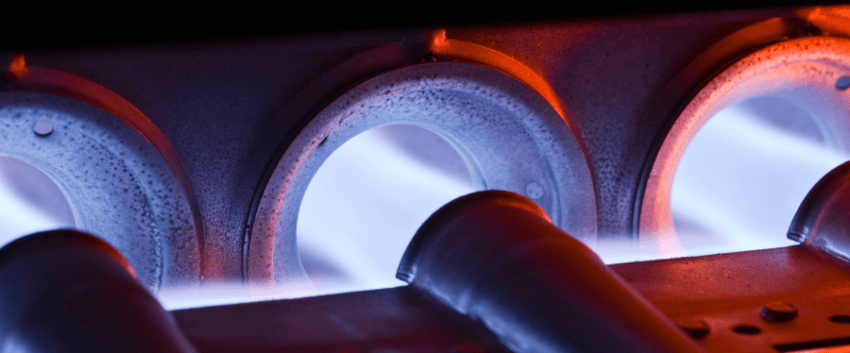
During the home heating cycle, your furnace’s burners heat up the heat exchanger. The blower motor then pulls air over the heat exchanger, which heats the air. Then the blower motor circulates the heated air throughout your home.
To learn more about how a gas furnace works, check out the video below.
Heat Strips
Your electric furnace’s heat strips provide heating for your home.
Heat strips are similar to the filaments in your toaster. And just like a toaster, your furnace’s heat strips use electricity to provide heating.
Out of all of the components in an electric furnace, heat strips are less likely to fail.
Ignitor
Your furnace’s ignitor provides the spark that heats your home.
Generally, your furnace’s ignitor can only light a certain number of times. This is typically based on factors that only the manufacturer can control.
Luckily, your HVAC technician should be able to replace your ignitor easily.
Gas Valve
The gas valve supplies your furnace with the fuel it needs to heat your home.
If your gas valve fails, you’ll likely have to replace the entire valve.
Limit Switch
A limit switch is a safety feature that prevents your furnace from overheating.
Limit switches typically only fail when your furnace is subjected to extreme overheating.

Pressure Switch
A pressure switch is a safety feature that ensures that waste gases are vented properly.
Limit switches typically only fail if your furnace is under extreme strain.
Sequencer
The sequencer regulates your electric furnace’s power draw, especially when it initially kicks on. The sequencer ensures that your furnace doesn’t trip a breaker when it turns on.
If your electric furnace won’t turn on, there’s likely an issue with its sequencers, especially since heat strips are less likely to fail.
Smart Valve
A smart valve is a type of gas valve that’s equipped with its own circuit board.
Smart valves were only built into a few furnace models, which can make it difficult for your HVAC technician to find a replacement.
Thermostat
Your thermostat reads the temperature in your home and signals your HVAC system to turn on.
If you need a replacement thermostat, you have a variety of options and brands to choose from.
To learn more, check out this article that breaks down the different types of thermostats on the market today.

Transformer
A transformer provides electricity to your furnace.
Transformers typically only fail due to electrical shorts or electrical surges.
When to Get a Second Opinion on a Furnace Repair
Your HVAC technician should always explain the issues they notice without pressuring you. While there are instances when damage to your furnace can pose a safety risk, you’re never obligated to repair your furnace.
You should always feel free to get a second opinion if you feel like a technician offers a quote that’s much lower or much more expensive than you expect.
Believe it or not, lower repair costs aren’t always a good thing. If a repair cost is significantly lower than the ranges I mentioned above, then the quality of the replacement parts comes into question.
If a repair cost seems too expensive, ask for a breakdown of the cost.
How to Avoid Furnace Repairs
You can never completely avoid furnace repairs. Even with today’s technology, chances are high that you’ll have to replace at least one component in your furnace’s lifetime.
But the best way to avoid furnace repairs is to schedule regular maintenance for your furnace. One tune-up each year can ensure that your furnace operates safely and efficiently.

If you need a reliable furnace repair or a furnace tune-up, we’d love to help!
At Fire & Ice, our goal is to keep your furnace running as safely as possible for as long as possible. Like you, we want to make sure that you get the most out of your HVAC equipment.
To schedule a furnace repair or tune-up, enter your zip code below.
