

Leak Detection & Repair in Columbus, Ohio
Hidden leaks waste water, damage your home, and drive up your bill. Our licensed plumbers use professional detection equipment to find leaks behind walls, under slabs, and underground - then repair them with minimal disruption.
Signs You May Have a Hidden Leak
Unexplained Water Bill Increase
Your usage hasn't changed but your bill has jumped. A hidden leak - even a small one - can waste thousands of gallons per month. Turn off all water in the house and check your meter. If it's still moving, you have a leak.
Sound of Running Water
You hear water running when nothing is turned on. Could be inside a wall, under the floor, or underground. The sound may be constant or intermittent.
Damp Spots, Stains, or Bubbling Paint
Water stains on ceilings or walls, bubbling or peeling paint, soft spots in drywall, or warped flooring. These mean water is accumulating behind the surface - and has been for a while.
Musty Smell or Mold Growth
Persistent musty odor or visible mold on walls, baseboards, or ceilings with no obvious moisture source. Mold needs moisture and time - if it's growing, water is hiding somewhere nearby.
Warm Spot on the Floor
A warm patch on tile or hardwood that doesn't move is a classic sign of a hot water line leak under the slab. The leaking hot water heats the concrete and radiates up through the floor.
Low Water Pressure
Pressure has dropped throughout the house, not just at one fixture. A leak in the main supply line between the meter and your house diverts water before it reaches your fixtures.
How We Find Hidden Leaks
Assessment
We start with your observations: where you see signs, when the problem started, what's changed. This narrows the search area before we bring out the equipment.
Meter Test
We verify there's an active leak by shutting off all fixtures and reading the meter. If the meter is still moving, water is going somewhere it shouldn't.
Electronic & Acoustic Detection
We use professional-grade equipment to pinpoint the leak without opening walls or digging. Acoustic listening devices detect the sound of water escaping under pressure. Thermal imaging identifies temperature differences behind surfaces. Moisture meters confirm damp areas.
Pinpoint & Explain
Once we locate the leak, we show you exactly where it is and explain the repair options before any work begins. You'll understand the problem, the fix, and the cost.
Slab Leaks
A slab leak is a leak in a water line running beneath your home's concrete slab foundation - common in Columbus homes built on slabs, especially post-1960s construction. Causes include pipe corrosion, ground shifting, poor original installation, and Columbus's clay-heavy soil expanding and contracting with moisture changes.
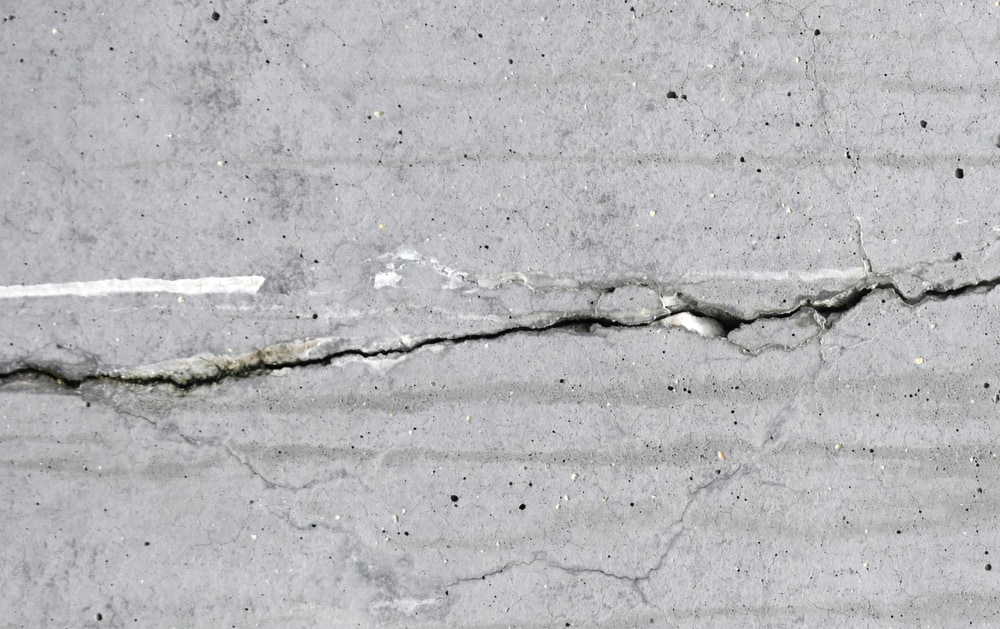
Signs include a warm spot on the floor that doesn't move (hot water line leak), the sound of water under the floor, cracks in the foundation or flooring, and unexplained moisture near baseboards.
Repair options depend on the situation: spot repair through the slab with a small access opening, rerouting the line above ground or through the ceiling to avoid slab cutting entirely, or full repipe of the affected line if there are multiple leak points.
Behind-Wall Leaks
A leak in a supply line, drain connection, or fixture connection inside a wall cavity. Common causes: corroded fittings, failed solder joints, a nail or screw puncture from hanging shelving, or freeze damage.
You'll notice water stains on drywall, bubbling paint, musty smell, or mold growth on the wall surface. We access the pipe through a small opening, repair or replace the damaged section, and patch the drywall. Minimal disruption - we're not tearing out your wall to fix a fitting.
Underground & Yard Line Leaks
A leak in the water supply line between the city meter and your house. Causes include corrosion, ground movement, tree root damage, and age - many Columbus homes have galvanized steel or copper supply lines that are 50+ years old.
Signs: wet spots in the yard, unusually green grass along the water line path, low water pressure throughout the house, and a high water bill with no visible leak indoors. Repair involves excavating and repairing or replacing the damaged section. In some cases, a full water line replacement from meter to house is the better long-term investment.
Gas Line Leaks
Signs of a gas line leak include a rotten egg or sulfur smell, hissing near gas connections, and dead vegetation above underground gas lines.
If you smell gas, leave the house immediately. Don't flip switches or use your phone inside. Call your gas company from outside.
Once the area is cleared, call us. Our licensed plumbers locate the leak, repair or replace the section, and pressure-test the line to verify it's sealed.
Why Columbus Homes Are Prone to Leaks
Clay soil. Columbus sits on heavy clay that expands when wet and contracts when dry. This seasonal movement stresses underground pipes and slab plumbing, making leaks more common than in areas with sandy or loamy soil.
Hard water. Central Ohio has moderately hard water, which accelerates mineral buildup and corrosion inside pipes - especially copper and galvanized steel.
Older homes. Many Columbus neighborhoods have homes built in the 1940s-1970s with galvanized steel supply lines. These corrode from the inside out and are common sources of hidden leaks and low water pressure.
Freeze risk. Pipes in exterior walls, crawl spaces, and unheated basements are vulnerable during Columbus winters. A pipe that freezes and cracks may leak slowly for weeks before it's noticed.
Spot Repair or Repipe?
Spot Repair Makes Sense If
- ✓ Single leak location
- ✓ Pipe material is otherwise in good condition
- ✓ No history of previous leaks in the same line
- ✓ Pipe is accessible or can be reached with minimal disruption
Repiping Is Worth Considering If
- ✗ Multiple leak locations in the same line
- ✗ Galvanized steel pipes corroding throughout
- ✗ Repeated leaks in the same area
- ✗ Extremely low water pressure indicating widespread internal corrosion
- ✗ Major renovation happening anyway - good time to upgrade the plumbing
Why Choose Us for Leak Detection & Repair
- Non-Invasive Detection First
- We locate the leak before we open anything. No unnecessary holes in your walls or floors.
- Licensed Plumbers
- Every job is performed by a state-licensed plumber, not a leak detection company that subcontracts the repair.
- Detection AND Repair
- We do both. Some companies detect the leak and hand you a report - then you call a plumber to fix it. We find it and fix it in the same visit when possible.
- Upfront Pricing
- You get a clear estimate for the repair before any work begins.

