

Author:
Revised:
July 23rd, 2026
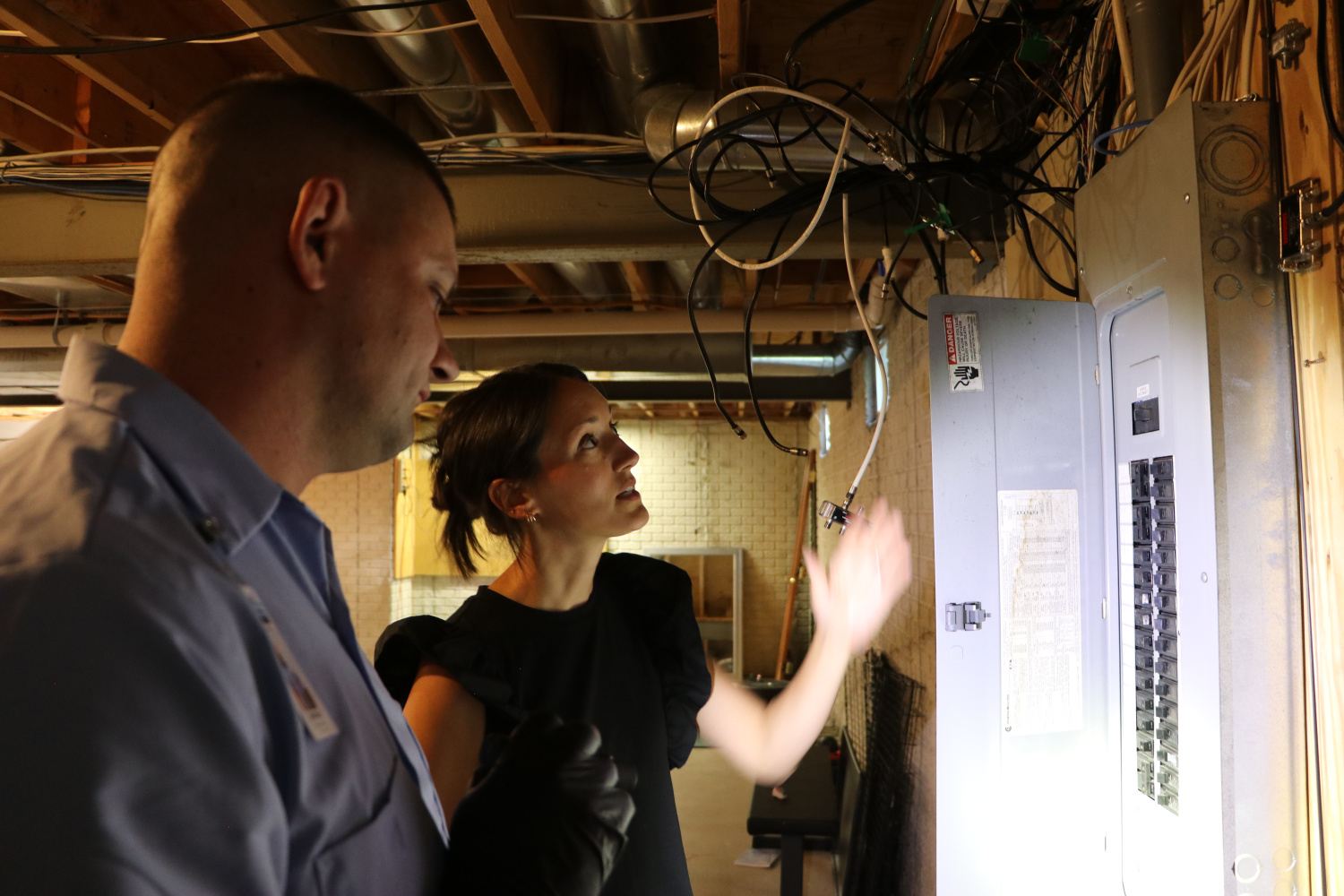
If you are like most homeowners, you probably do not spend much time thinking about your electrical panel. Tucked away in a basement, garage, or utility closet, it is the unsung hero of your house, silently directing power to your refrigerator, your heating and cooling systems, and the dozens of devices you charge every day.
But just like the roof over your head or the plumbing in your walls, an electrical panel has a lifespan. As we ask our homes to power more technology than ever before, older panels simply cannot keep up.
If your home is more than 20 years old, or if you are noticing flickering lights and tripped breakers, here are the top benefits of upgrading your electrical panel.
1. Drastically Improved Home Safety
The primary job of an electrical panel is to distribute power safely. When a circuit draws more current than it is designed to handle, the breaker is supposed to trip, cutting off the power and preventing the wires from overheating.
Older panels, especially outdated brands like Federal Pacific or Zinsco, which were common in homes built between the 1950s and 1980s, are notorious for failing to trip when overloaded. This creates a severe fire hazard. By upgrading to a modern panel, you ensure that your breakers will function exactly as intended, protecting your home and your family from electrical fires and shocks.
2. A Stop to Tripping Breakers and Flickering Lights
Are you constantly walking down to the basement to flip a breaker back on after trying to run the microwave and the toaster at the same time? Do your lights dim when the air conditioner kicks on?
These are classic signs that your current electrical panel is maxed out. An electrical upgrade reorganizes your home’s power distribution. A licensed electrician can add new, dedicated circuits for heavy-drawing appliances, ensuring a smooth, consistent flow of power without the frustrating interruptions.
3. Capacity for Modern Technology and Appliances
Homes built just a few decades ago were typically equipped with 60-amp or 100-amp electrical panels. Today, the standard is a 200-amp service.
We simply consume more electricity now. If you are planning any of the following upgrades, a new panel is almost always a strict prerequisite:
- HVAC Upgrades: Installing a new, high-efficiency heat pump or central air conditioning system.
- Electric Vehicle (EV) Chargers: A Level 2 EV charger requires a dedicated 240-volt circuit.
- Major Remodels: Adding a hot tub, finishing a basement, or upgrading to professional-grade kitchen appliances.
- Solar Integration: Prepping your home to connect to a modern solar array.
4. Lower Homeowner's Insurance Premiums
Insurance companies calculate risk. Because outdated or overloaded electrical panels are a known fire hazard, carrying an old system can actually increase your homeowner's insurance premiums.
Many insurance providers offer discounts to homeowners who proactively upgrade their electrical infrastructure to meet current National Electrical Code (NEC) standards. In some cases, insurers may even require an upgrade before issuing a new policy on an older home.
5. Increased Property Value
An upgraded electrical panel is a major selling point. Savvy home buyers usually hire inspectors who will immediately flag an outdated panel. If a buyer knows they have to spend thousands of dollars on an electrical upgrade the moment they move in, they will likely lower their offer or walk away entirely.
By taking care of the replacement now, you get to enjoy the safety and reliability of the new system, while also boosting your home's marketability down the road.
6. What to Expect During the Installation Process
Many homeowners hesitate to schedule an electrical upgrade because they do not know what the job entails. Demystifying the process is important so you know exactly what is happening in your home.
- Timeline: A standard panel replacement usually takes between four to eight hours. During this time, the power to your home will be completely shut off, so it is a good idea to plan accordingly and keep your refrigerator closed.
- Permitting and Inspections: This is not a task where corners can be cut. Professional electricians will handle all the administrative red tape. This includes pulling the necessary local permits, coordinating with your utility company to safely disconnect the power drop, and scheduling the final city inspection to ensure everything is up to code.
7. Breaking Down the Return on Investment
While upgrading your electrical panel requires an upfront investment, it pays dividends in several financial ways beyond just safety and convenience.
- Energy Efficiency: Replacing degraded, high-resistance wiring and breakers can marginally improve your home's energy efficiency. While the panel itself does not use electricity, a clean and modern connection prevents power loss.
- Tax Credits and Rebates: Because modernizing the electrical grid is a major priority, there are often financial incentives available. You may qualify for federal tax credits, such as those provided by the Inflation Reduction Act, or local utility rebates that specifically incentivize electrical panel upgrades to support high-efficiency appliances.
Is It Time for an Upgrade?
Replacing an electrical panel is strictly a job for licensed professionals and never a DIY weekend project. It requires pulling permits, coordinating with your local utility company to disconnect the power drop, and ensuring every single wire is routed safely and legally.
If you suspect your panel is outdated, undersized, or showing signs of wear like scorch marks or rust, do not wait for the lights to go out. Reach out to our team of certified electricians today to schedule a comprehensive electrical inspection.
