

Author:
Revised:
August 5th, 2026
Basements are inherently vulnerable to water intrusion. Understanding the mechanics of a home drainage system is the first step in diagnosing issues before they escalate into costly repairs.
Knowing how sump pumps, p-traps, and storm drains interact will help you maintain a dry and safe foundation.
Comprehensive water management involves a balance of both interior plumbing features and exterior landscaping strategies.
The Sump Pump: Your Active Defense
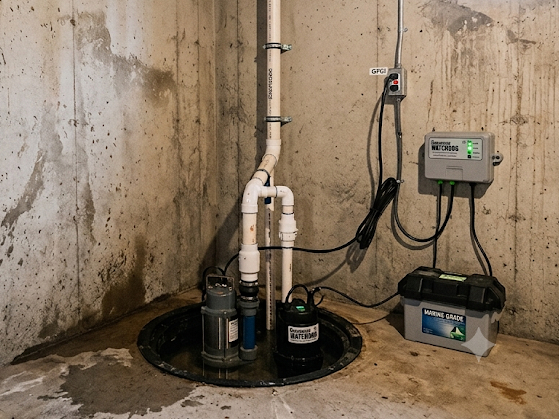
The sump pump acts as the heart of a basement flood prevention system. Installed in a pit carved into the floor, it actively pumps accumulating groundwater out and away from the foundation.
Mechanical troubleshooting is an essential skill for maintaining this equipment. Float switches can stick and impellers can jam with debris over time.
Taking a proactive approach to inspect the discharge pipe and test the float switch periodically can prevent a catastrophic failure during a heavy storm. Additionally, verifying that your check valve is functioning properly will ensure that expelled water does not simply flow right back into the pit.
The P-Trap: Sealing Out Odors
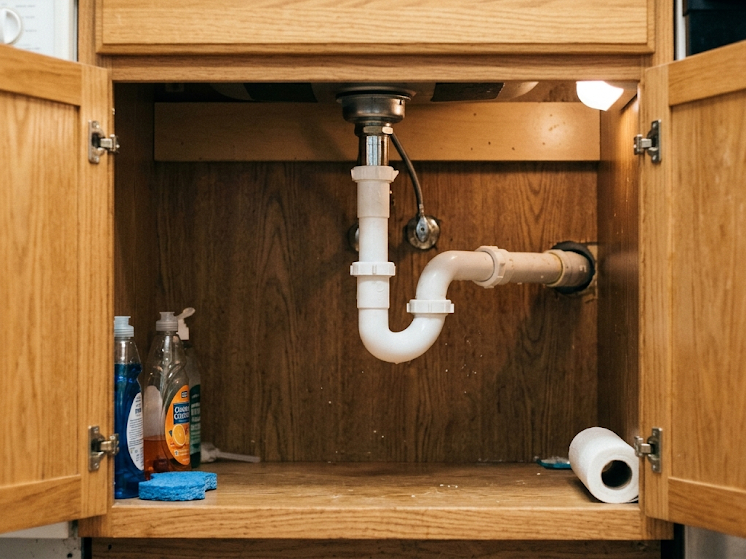
While sump pumps handle groundwater, p-traps manage wastewater and sewer gases. A p-trap is the curved section of pipe located under floor drains, sinks, and utility tubs. It holds a small amount of water to create a seal that blocks noxious sewer gases from backing up into your living space.
If a basement floor drain begins to smell like sewage, the trap has likely dried out. Simply pouring a bucket of water down the drain will restore the seal and resolve the issue. Making a habit of running water in unused basement utility sinks or doing maintenance pours in floor drains will keep this seal intact year round.
Storm Drains and Exterior Grading
Water management extends beyond the foundation walls. In regions like Ohio where heavy clay soil retains moisture and resists natural absorption, proper exterior drainage is vital.
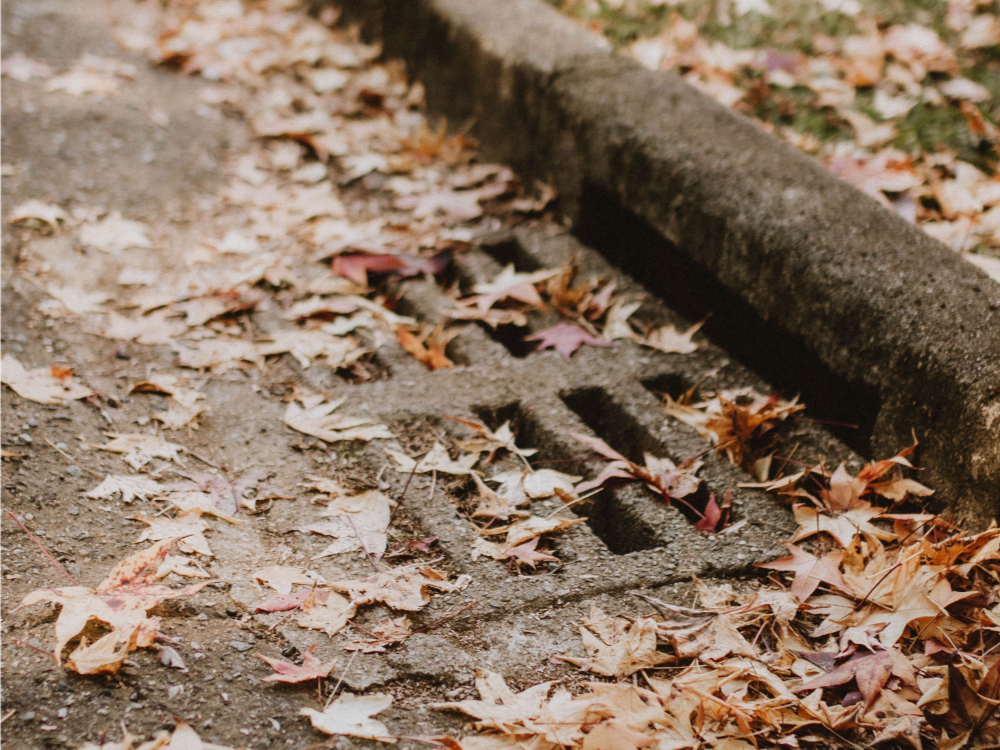
Storm drains, French drains, and smart yard grading are designed to direct runoff away from the home. However, these exterior systems only function correctly when they are completely clear of obstructions. Throughout the changing seasons, leaves, rogue mulch, and soil erosion can easily clog these vital pathways. Regular yard maintenance is necessary to keep water flowing exactly where it needs to go.
The Community Connection
Keeping municipal gutters and local storm drains free of debris is a shared responsibility. Discarded waste and plastic bags easily wash into these systems and create massive blockages that overwhelm neighborhood drainage.
Community volunteer initiatives and local park cleanup groups play a critical role in preventing this localized flooding. Taking the time to clear away litter from streets and public spaces directly protects local infrastructure and keeps neighborhoods safe from preventable water damage.
Collective neighborhood efforts also reduce the burden on city services and foster a cleaner environment for everyone.
Professional Drain Solutions
When preventative maintenance is not enough, professional intervention is necessary. Fire & Ice Heating, Cooling, Plumbing, and Electric offers advanced diagnostic and clearing services, including high-pressure hydro jetting and video camera pipe inspections. These tools allow certified plumbers to pinpoint the exact cause of a basement backup, whether it is root intrusion, pipe deterioration, or a severe clog. Once the issue is identified, our team can efficiently restore your home's drainage system to full functionality.
You can learn more about these services on our Plumbing Services and Drain Services pages.
